
What Makes a Home Feel “Haunted” — In the Wrong Way?
Not every haunted house has ghosts.
Some just have that one room nobody wants to sit in.
Or the hallway that always feels cold.
Or the staircase that makes you think, “I really should do something about this before somebody trips.”
Or the living room that looks fine in photos but somehow never feels comfortable when you’re actually in it.
October is the month when we have fun pretending homes are haunted. We decorate with skeletons, cobwebs, pumpkins, flickering lights, and the occasional motion-activated ghoul that scares the life out of someone walking to the front door.
That kind of haunted is fun.
But there is another kind of “haunted” home that is not fun at all.
It is the room that quietly bothers you every time you walk through it.
The floor that always looks tired no matter how much you clean it.
The rug that curls up at the corner like it is trying to catch a shoe.
The space that feels cold, echoey, awkward, worn out, or just a little uncomfortable.
No ghosts required.
Sometimes the “haunting” is simply a home that has stopped working the way you need it to.
And once you see that, the whole topic becomes a lot more useful.
Because a home does not have to be perfect.
But it should not work against you every day.
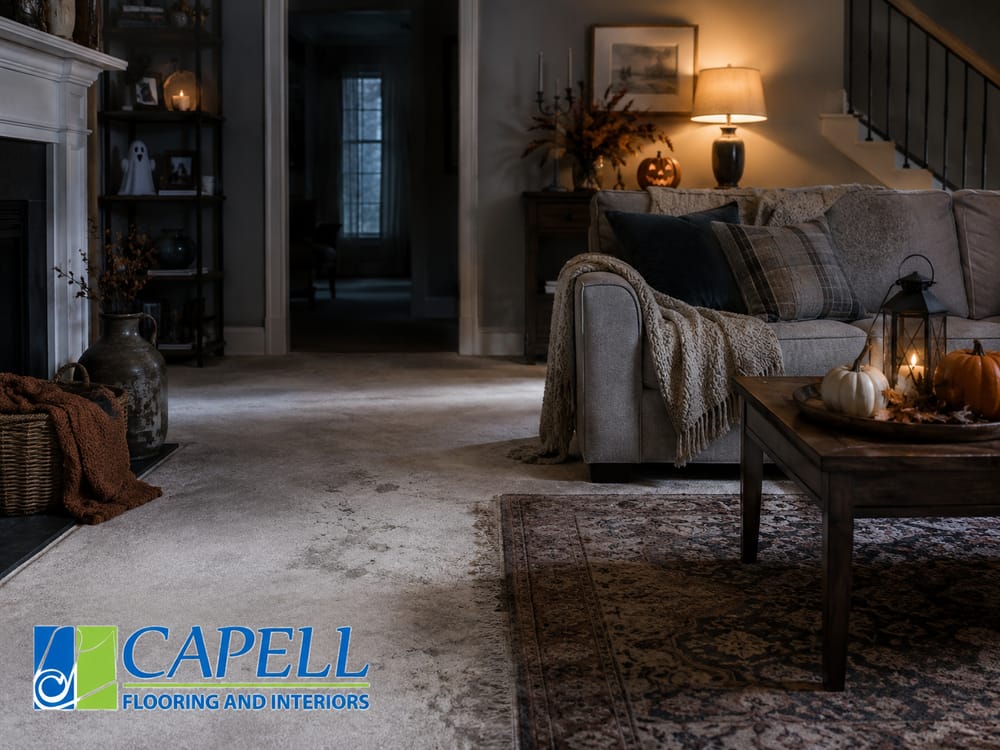
A Home Can Look Fine and Still Feel Off
This is one of the strange things about homes.
A room can look acceptable on the surface and still not feel good to be in.
Nothing is falling apart.
Nothing is dramatic.
Nothing is “emergency level.”
And yet, people avoid it.
They do not sit there long.
They do not gather there naturally.
They pass through quickly.
They use another room instead.
That feeling matters.
Your home is not just something you look at. It is something you experience.
You experience it when you walk barefoot across the floor in the morning.
You experience it when guests come through the entry.
You experience it when kids sprawl out in the living room.
You experience it when you try to relax at the end of a long day and the room feels too cold, too loud, too hard, too cluttered, or too worn out to help you settle down.
A room does not need to be ugly to be uncomfortable.
Sometimes it just needs one or two unresolved problems that keep whispering, “Something isn’t right here.”
That is the wrong kind of haunted.
The Room Everyone Avoids Is Trying to Tell You Something
Every home seems to have one.
The room that should be useful… but isn’t.
Maybe it is the formal living room that nobody uses.
Maybe it is the bonus room that feels like leftover space.
Maybe it is the hallway that always feels dark.
Maybe it is the family room that somehow feels less inviting than it should.
When a room keeps getting avoided, it is worth asking why.
Not in a dramatic way.
In a practical way.
A room people avoid usually has a reason.
It might be:
- too cold
- too echoey
- too dark
- too stiff
- too cluttered
- too worn out
- too awkward to move through
- too uncomfortable underfoot
- too disconnected from how your family actually lives
The problem is that people often blame themselves.
They think:
“We just never use that room.”
“We’re not good at keeping this space nice.”
“It’s probably not worth dealing with.”
“It’s just how the house is.”
Maybe.
But maybe the room has been giving you clues for a long time.
And maybe it is not a personality problem.
Maybe it is a design problem.
That is good news, because design problems usually have design solutions.
The “Haunted” Feeling Often Comes from Friction
Here is a useful way to think about it:
Friction is anything in your home that makes everyday life harder than it needs to be.
Not impossible.
Just harder.
A loose rug is friction.
A worn traffic path is friction.
A room that echoes too much is friction.
A floor that always looks dirty is friction.
A hallway that feels cramped is friction.
A cold room that nobody wants to linger in is friction.
And friction adds up.
One little annoyance may not matter much.
But five little annoyances in the same room?
Now you have a space that people avoid without even realizing why.
That is when the house starts feeling “haunted.”
Not spooky.
Just irritating.
Not scary.
Just subtly draining.
The rooms that feel best are usually the ones with the least friction.
They are easy to enter.
Easy to use.
Easy to clean.
Easy to gather in.
Easy to enjoy.
That is what most people really want from home.
Not perfection.
Ease.
The Usual Suspects: What Makes a Room Feel Wrong?

If a room in your home feels “off,” here are some of the most common culprits:
1. Cold floors that make the whole room feel unwelcoming
This is especially noticeable when the weather changes.
In October, mornings start to feel cooler around the Boise area. People begin spending more time indoors again. Suddenly, the feel of the floor matters more than it did in July.
A room with cold, hard, or uncomfortable flooring can feel uninviting before anyone says a word.
Comfort starts underfoot more often than people realize.
That does not always mean carpet is the answer. Sometimes it is a rug. Sometimes it is a different hard surface. Sometimes it is simply matching the room’s flooring to how the room is actually used.
But if a room never feels warm or comfortable, the floor may be part of the reason.
2. Echo and noise that make a space feel harsh
Some rooms look beautiful but sound terrible.
Hard floors.
Bare walls.
High ceilings.
Minimal furniture.
No rugs.
No soft surfaces.
The result?
Everything feels sharper.
Footsteps are louder.
Voices bounce.
The TV sounds harsher.
The room feels less restful.
A noisy room can make people leave faster, even if they cannot explain why.
That matters in living rooms, family rooms, bonus rooms, hallways, stairs, and home offices.
A home should not feel like an empty gymnasium unless, of course, it is an actual gymnasium.
Most people want rooms that feel settled.
Sound is a big part of that.
3. Worn flooring that makes the room feel tired
Sometimes the room is not poorly decorated.
It is just worn out.
The carpet has traffic lanes.
The flooring has scratches that catch your eye.
The stairs look tired.
The entry has taken a beating.
The room never feels clean even after you clean it.
That last one is important.
When a floor looks tired all the time, the whole room can feel tired.
This is one reason homeowners sometimes put off projects longer than they should. They get used to the room slowly declining. Then one day they look around and realize the room has been dragging down the feel of the house for years.
It did not happen overnight.
But it still happened.
4. Safety concerns that quietly create tension
This is where the “haunted” feeling stops being funny.
Some rooms feel off because your body knows something is not quite safe.
A rug slips.
A corner curls.
A stair tread feels questionable.
Carpet is loose or wrinkled.
A transition catches your shoe.
A hallway is too dark.
You may not think about it consciously every time.
But you adjust.
You step around it.
You warn guests.
You remind kids.
You avoid carrying laundry that way.
You say, “Be careful right there,” more than you should.
A home should not require a mental hazard map.
If one part of the house keeps making you nervous, that is worth paying attention to.
Not later.
Sooner.
5. Awkward flow that makes gathering harder
Some rooms do not feel haunted because of flooring.
They feel haunted because nobody knows where to go.
The furniture blocks the natural path.
The seating does not invite conversation.
The entry gets jammed up with shoes, bags, jackets, and everyday life.
The room has no clear purpose.
A room without good flow can make people feel unsettled.
Especially during fall, when life starts moving indoors again.
October brings trick-or-treaters, family movie nights, football weekends, school events, and the beginning of holiday-season thinking. Your home starts getting asked to do more.
If the flow is bad, the season will reveal it.
That does not always require a remodel.
Sometimes it requires rearranging.
Sometimes it requires removing a friction point.
And sometimes it requires finally addressing a surface or flooring issue that has been making the whole space feel harder to use.

October Is the Perfect Month to Notice What Feels Off
October is funny that way.
It is festive and lighthearted, but it is also a transition month.
The weather cools.
The evenings get darker.
People start thinking about holidays.
Guests start showing up more often.
Homes begin shifting from “summer survival mode” into “people are coming over” mode.
That makes October a useful month to look around with fresh eyes.
Not judgmental eyes.
Useful eyes.
Ask:
- What room do we avoid
- What space always feels colder than the rest?
- What floor never seems to look clean?
- Where do people trip, slip, or hesitate?
- What area feels noisy, harsh, or uncomfortable?
- What part of the house would bother me if guests came over?
That last question is powerful.
Because guests often make us notice what we have been ignoring.
The worn entry.
The tired stairs.
The room that no longer feels welcoming.
The hallway that needs better lighting.
The carpet that really has lived a full and noble life and is now ready to retire.
Sometimes your home does not need a dramatic makeover. It just needs you to stop ignoring the one area that keeps bothering you.
The Difference Between “Lived-In” and “Worn-Out”
Let’s be clear about something.
A good home should feel lived-in.
A house with real people in it will have shoes, backpacks, dishes, crumbs, blankets, pet hair, sports gear, and the occasional mystery object nobody wants to claim.
That is normal.
That is life.
A lived-in home is not a problem.
The problem is when lived-in turns into worn-out, unsafe, or uncomfortable.
There is a difference.
Lived-in feels warm.
Worn-out feels neglected.
Lived-in feels human.
Worn-out feels draining.
Lived-in says, “Real life happens here.”
Worn-out says, “We have stopped noticing what is no longer working.”
And that difference matters.
Because your home should support real life.
Not shame you for having one.
Why Flooring Changes the Feel of a Room So Quickly
Flooring is not the only thing that affects a room.
But it is one of the biggest.
Why?
Because flooring covers so much visual space.
It affects:
- color
- warmth
- sound
- safety
- comfort
- cleanability
- traffic flow
- first impressions
- how finished a room feels
That is why a flooring change can make a room feel dramatically different.
A cold room can feel warmer.
A harsh room can feel softer.
A tired room can feel new again.
A noisy room can feel more settled.
A room people avoided can become the room people actually use.
The right floor does not just change how a room looks. It changes how the room behaves.
That is the part people often underestimate.
They think flooring is only a design choice.
It is also a lifestyle choice.
How do you want the room to feel?
How will people use it?
Who lives there?
Kids? Pets? Guests? Grandkids?
Do you want softness? Durability? Easy cleanup? Warmth? Quiet?
Those questions matter.
And the right answer is not always the same for every family.
That is why a process matters.
A Better Room Starts by Naming the Real Problem
Before you replace anything, buy anything, or start browsing options, it helps to name the problem clearly.
Not:
“I hate this room.”
More like:
“This room feels cold.”
“This carpet is worn out.”
“This floor is too hard to keep clean.”
“This space echoes too much.”
“This area makes me nervous because people trip here.”
“This room no longer fits how we live.”
That clarity helps.
Because when the problem is vague, the solution feels overwhelming.
But when the problem is specific, the next step becomes easier.
The goal is not to make your home perfect. The goal is to make it work better for real life.
That might mean:
- restreching carpet if it is loose
- adding a properly sized rug
- replacing flooring that is past its useful life
- choosing a warmer, quieter surface
- changing the room's layout
- improving the entry path
- selecting flooring that fits pets, kids, guests, and tracffic
This is where good guidance matters.
Not more confusion.
Guidance.
How Capell Flooring Helps Remove the Guesswork
One of the reasons flooring decisions become overwhelming is that there are too many options.
Carpet.
Luxury vinyl plank.
Hardwood.
Engineered wood.
Laminate.
Tile.
Sheet vinyl.
Area rugs.
Different colors, textures, patterns, warranties, installation needs, and price points.
That can feel like walking into a maze.
And October is already spooky enough.
Most homeowners do not need more random options. They need a better way to narrow the options.
That is one reason our Design Audit™ process exists.
The goal is to help you think through the real-life questions first:
- How does the room get used?
- Who uses it most?
- What is bothering you now?
- What needs to be easier?
- What look do you like?
- What level of durability do you need?
- What budget makes sense?
- What choices should be eliminated right away?
That last question is huge.
Because good decision-making is not only about finding the right option.
It is about removing the wrong ones.
If you want to start exploring ideas, here are a few helpful places to begin:
Browse styles in our online product gallery:
https://www.capellflooring.com/flooring-products
Use our Room Visualizer to see options in your actual space:
https://www.capellflooring.com/room-visualizer-flooring
Schedule a Design Audit™ when you are ready for guidance:
https://www.capellflooring.com/design-audit
Sometimes the room is not haunted. It just needs a better plan.
A Simple October Home Walkthrough
Before the holiday season gets busy, try this.
Take 15 minutes and walk through your home as if you were a guest.
Start at the entry.
Then move through the main paths:
- entry
- hallway
- stairs
- living room
- kitchen
- family room
- guest bathroom
- any room where people gather
Ask yourself:
What feels welcoming?
What feels uncomfortable?
What do I keep stepping around?
What would I be embarrassed for guests to notice?
What part of the house feels colder, noisier, or more worn out than it should?
Do not make a giant project list.
Just notice.
Then pick one thing.
One friction point.
One “haunted in the wrong way” area.
That is where progress begins.
Not with panic.
Not with perfectionism.
Just one honest observation followed by one useful next step.
Frequently Asked Questions
Q: What does it mean for a home to feel “haunted” in the wrong way?
It means a room or area feels uncomfortable, unwelcoming, unsafe, cold, noisy, worn out, or unpleasant to use — even if nothing is dramatically wrong. It is the feeling that something about the space is quietly working against you.
Q: Why do some rooms feel uncomfortable even when they look fine?
Because comfort is not only visual. Sound, temperature, lighting, layout, flooring, traffic flow, and safety all affect how a room feels. A room can look acceptable and still fail in everyday use.
Q: Can flooring really change the atmosphere of a room?
Yes. Flooring affects warmth, comfort, sound, appearance, safety, and how easy the room is to live in. Because it covers such a large surface, it can strongly influence the overall feel of the space.
Q: What are signs that flooring may be part of the problem?
Common signs include worn traffic paths, wrinkles in carpet, curled rug edges, cold floors, echoey rooms, floors that never seem clean, slippery surfaces, or transitions that people trip over.
Q: Do I need to replace flooring to fix a room that feels off?
Not always. Sometimes rearranging furniture, adding a rug, improving lighting, or restretching carpet may help. Other times, flooring replacement is the right answer. The first step is identifying the real friction point.
Ready for the Next Step? Here’s How We Can Help
If one room in your home has started to feel “haunted” in the wrong way, you do not have to keep guessing about what to do next.
Maybe it is the worn carpet.
Maybe it is the cold floor.
Maybe it is the echo, the traffic path, the safety concern, or the fact that the room simply does not fit your life anymore.
Whatever the issue is, the next step does not have to be overwhelming.
Start with Capell Flooring’s Design Audit™ and let us help you narrow the options, identify what matters most, and build a clear plan for making that room feel better again.
Because your home does not have to be perfect — but it should feel good to live in.
How to Reach Us
🔹 Visit Capell Flooring & Interiors in Meridian, ID
We’ve been helping homeowners in the Boise area and throughout the Treasure Valley create calm, comfortable home bases for more than 50 years, and we’d be honored to help with yours when you’re ready.
📍2640 E. State Ave, Suite 140, Meridian, ID 83642
📞 208-288-0151
📧 sales@capellinteriors.com
🌐 www.capellflooring.com


Meet the Experts at Capell Flooring & Interiors
At Capell Flooring & Interiors, we’re more than just a flooring company—we’re your partners in transforming homes and businesses with high-quality, stylish floors built to last. With over 50 years of experience serving Meridian, Boise, Eagle, Nampa, and the greater Treasure Valley, our team is dedicated to helping you find the perfect flooring solution for your space.
From plush carpets and durable hardwood to modern luxury vinyl plank (LVP) and custom area rugs, we take a personalized approach to every project. Our exclusive Design Audit process ensures you get flooring that fits your lifestyle, design preferences, and long-term needs—whether you have a busy household, pets, or a specific aesthetic in mind.
But what truly sets us apart is our knowledgeable, friendly team. Our flooring experts, designers, and installation professionals are committed to providing a stress-free, enjoyable experience from your first visit to the final installation. We stay up to date with the latest flooring trends, materials, and techniques, ensuring you get the best quality and expert guidance tailored to your needs.
When you choose Capell Flooring & Interiors, you’re not just upgrading your floors—you’re working with a trusted local team dedicated to making your home or business more beautiful, comfortable, and functional.
Featured Articles

As the United States approaches its 250th birthday on July 4, 2026, this is a timely moment to think about what traditions really do for us. They do more than fill a calendar. They create belonging, memory, rhythm, and identity. In this article, we explore why family traditions matter more than ever in a distracted world, why the little repeatable moments often matter more than the expensive ones, and how to build meaningful traditions at home without making life complicated.
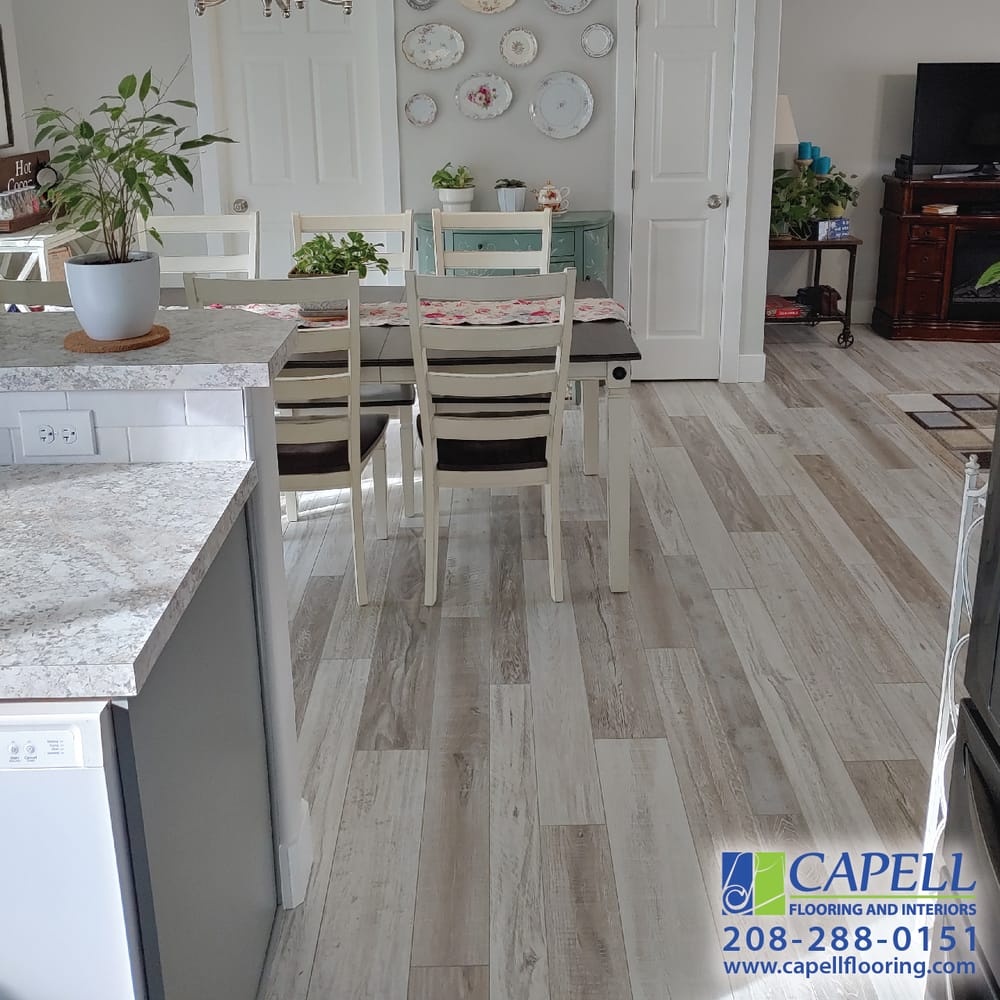
Laminate wood flooring has become a go-to choice for Boise and Treasure Valley homeowners seeking a durable, beautiful, and budget-friendly floor. In this ultimate guide, local flooring expert Matt Capell from Capell Flooring & Interiors walks you through everything you need to know – from what laminate flooring really is (and why brands like RevWood are simply laminate by another name) to its big benefits for Idaho homes. Learn about laminate’s toughness against scratches, water resistance (yes, even through Boise’s muddy winters – but with realistic expectations), pet-friendly perks, and affordability. We demystify AC durability ratings with a handy table (AC1–AC6) and explain why a flat subfloor is critical for a successful installation in Boise-area houses. You’ll also get a quick comparison of laminate vs. LVP, maintenance tips, and insights into why laminate performs great in Idaho’s dry summers and cold winters. We even highlight trusted U.S. laminate brands (Mohawk RevWood, Lions Floor, Republic, NFP, Robbins) that Capell Flooring carries. Whether you’re a detail-driven reader or a skimmer, this guide’s dual-format style – with bold highlights, bullet points, and clear headings – makes it easy to absorb the info you need. By the end, you’ll understand if laminate wood flooring is right for your home, and exactly how to take the next step with a Design Audit™ or showroom visit at Capell Flooring & Interiors in Meridian. Let’s dive in!

Capell Flooring and Interiors is moving to a new Meridian showroom location. Starting Tuesday, June 23, 2026, customers can visit the new showroom at 2640 E. State Ave, Suite 140, Meridian, ID 83642. Here are the simple details on who, what, where, when, why, and how to contact us during the move.
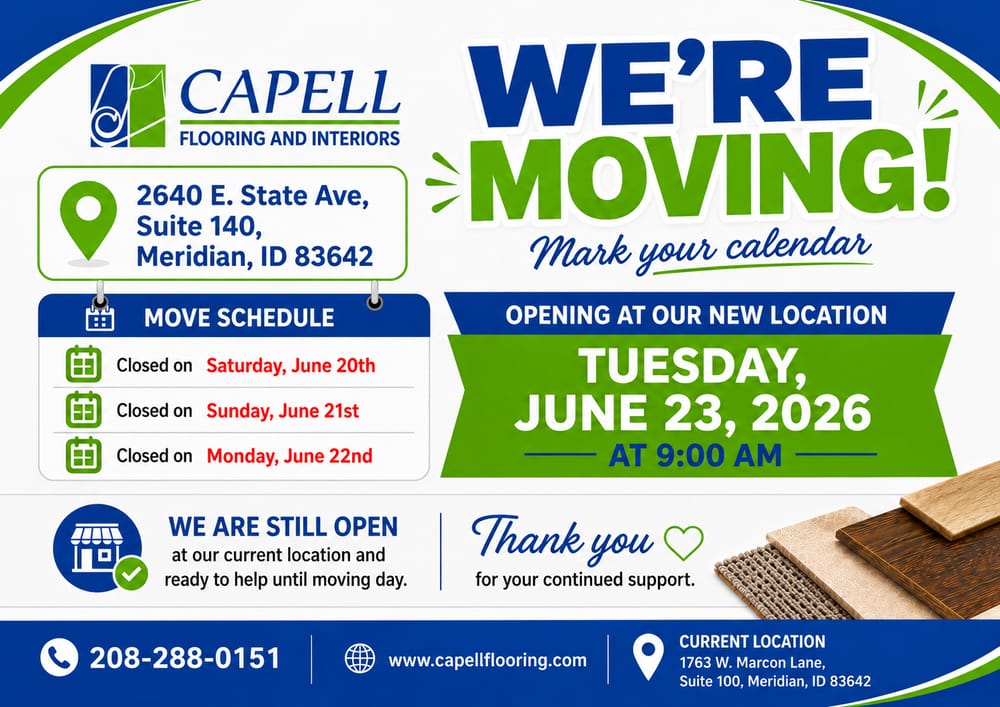
After 13 years in the same location, Capell Flooring is moving to a bigger, more central Meridian showroom in June 2026. In this post, we explain why the move is happening, what is changing, what is staying the same, and how this new location will better serve homeowners and businesses across Meridian, Boise, and the Treasure Valley.
Phone: 208-288-0151
Email: sales@capellinteriors.com
Recent posts
Tuesday, July 14, 2026
Thursday, July 09, 2026
Showroom Hours
Monday: Closed
Tuesday: 9-6 pm
Wednesday: 9-6 pm
Thursday: 9-6 pm
Friday: 9-6 pm
Saturday: 10-4 pm
Sunday: Closed
